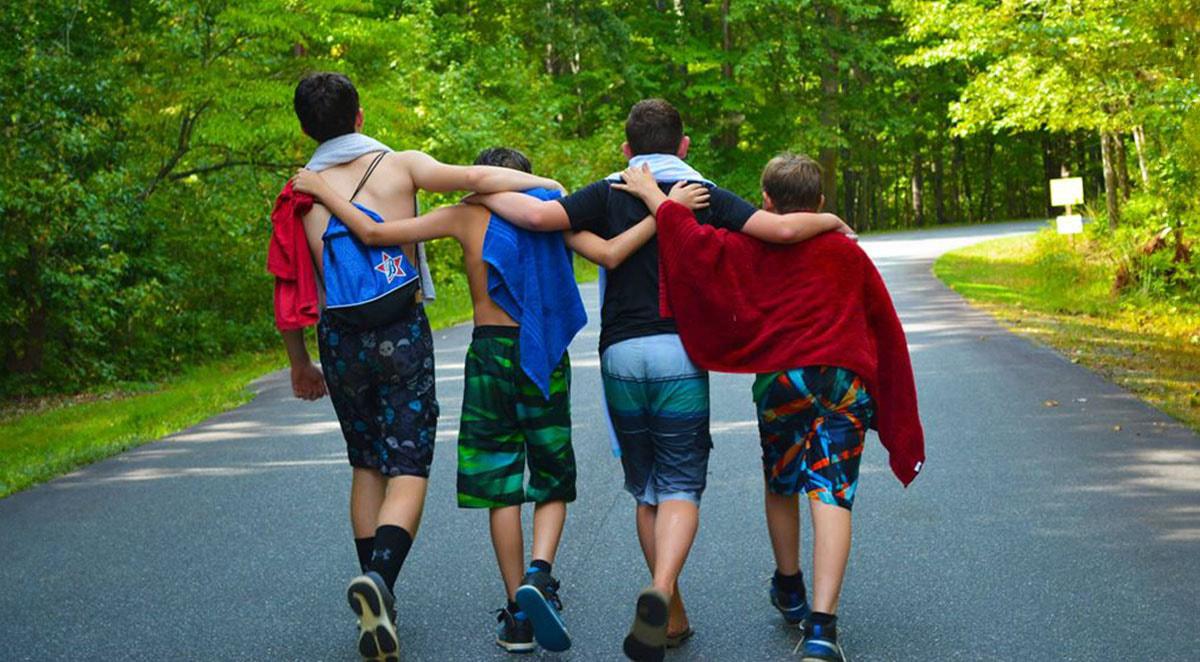
How Nature Benefits Kids
1. Physical Health Benefits of Nature for Kids
Time spent in nature is one of the best ways for kids to stay physically active, which is increasingly important in combating the growing problem of childhood obesity. Outdoor play encourages movement, whether it’s running, jumping, climbing, or swimming.
These activities promote:
2. Mental and Emotional Health Benefits of Nature for Kids
Beyond the physical, nature has profound effects on mental and emotional health. Research has shown that time spent outdoors can reduce stress, anxiety, and depression while also fostering a sense of calm and well-being. For children, nature can be a great source of mental clarity and emotional balance.
Reduced Stress and AnxietyThe calming sounds of wind in the trees or water in a stream can help lower cortisol levels, the body’s primary stress hormone. Nature’s sights and sounds trigger the parasympathetic nervous system, which helps the body relax and recover from stressful situations.
Kids exposed to nature regularly often exhibit fewer signs of anxiety and demonstrate better emotional resilience. Natural settings create an environment where children can process their emotions away from the pressures of school, peer dynamics, and structured activities.
Boost in Creativity and ImaginationUnstructured playtime in nature helps boost creativity. Unlike structured indoor environments, the natural world offers limitless possibilities. Children can turn a fallen branch into a sword, a rock into a treasure, or an open meadow into a stage for their imagination.
This freeform play is essential for:
Building Resilience and IndependenceAnother key mental health benefit of nature is its ability to foster resilience and independence. When children are given the opportunity to explore and take risks in nature, they build confidence in their own abilities. Whether it's climbing a tree or navigating a hiking trail, children learn to trust their instincts and develop a sense of self-reliance.
3. Cognitive Development and Learning in Nature for Kids
Nature is a natural classroom. It offers endless opportunities for learning, from identifying different plants and animals to understanding ecosystems and weather patterns. Studies show that children who spend time in nature tend to score better academically, particularly in subjects like science and math.
Focus and Attention ImprovementChildren who spend more time outdoors in nature have better attention spans and can focus for longer periods. This is particularly important for children with Attention Deficit Hyperactivity Disorder (ADHD), as time in nature has been shown to reduce symptoms associated with the disorder. Being surrounded by trees, plants, and animals reduces cognitive fatigue, allowing kids to return to their schoolwork or other indoor activities feeling refreshed and focused.
Hands-on Learning and Exploration
Nature provides countless opportunities for hands-on, experiential learning. From examining insects to collecting leaves, children gain an understanding of the world around them in ways that books and screens simply can't offer. This type of learning:
This reset is crucial for mental well-being and allows children to return to their structured environments with a renewed ability to focus and engage in learning.
4. Social Skills and Group Interaction in Nature for Kids
When children play in natural environments, they are often more collaborative, empathetic, and cooperative. The open-ended nature of outdoor play encourages teamwork, communication, and sharing. These settings are ideal for developing social skills that will benefit children throughout their lives.
Collaborative Play and Problem Solving
Group activities in nature, such as building a shelter or navigating a trail, require teamwork and communication. Children learn to work together, share ideas, and solve problems as a team.
These skills are crucial for:
Reduced Peer Conflict
Natural settings have been shown to reduce instances of peer conflict. The peaceful, open-ended environment of the outdoors contrasts sharply with the structured, competitive nature of many indoor spaces, leading to fewer arguments and more positive interactions.
This cooperative dynamic helps children practice healthy communication and fosters stronger relationships with their peers.
5. Spiritual and Environmental Awareness for Kids
Nature provides children with a sense of awe and wonder about the world. It can foster a deeper connection to the environment and a greater understanding of their place within it. Kids who spend time in nature often develop strong environmental ethics and are more likely to engage in conservation efforts later in life.
Building Environmental StewardshipBy interacting with nature from a young age, children learn the value of protecting it. They come to appreciate the importance of fresh air, clean water, and healthy ecosystems. Environmental awareness is essential for the next generation, and by allowing children to explore and understand nature, we instill in them the responsibility of being stewards of the Earth.
Nature's Role in Spiritual GrowthFor many families, nature plays a role in spiritual growth. Time spent outdoors can inspire a deeper connection to something greater than themselves. Whether it's experiencing the beauty of a sunset, the power of a waterfall, or the quiet of a forest, these moments encourage reflection and provide opportunities for spiritual development.
6. Nature Can Be Enjoyed by Kids
Parents, teachers, and caregivers can take simple steps to ensure children spend more time in nature. Here are a few practical ways to encourage outdoor activities and help kids reap the benefits of the natural world:
To help inspire kids to get outdoors, here are some simple yet engaging activities:
Incorporating nature into children’s lives can also serve as a counterbalance to the rising amount of screen time many children experience. While technology has its benefits, excessive screen time can lead to a sedentary lifestyle, reduced attention span, and negative mental health effects.
Spending time outdoors helps kids unplug, refresh their minds, and maintain a healthy balance between digital and physical activities.
Setting Limits for Screen TimeParents can set clear limits on screen time to ensure that their children spend more time outdoors. Encouraging outdoor activities, even as simple as playing in the backyard or visiting a nearby park, can help shift the focus away from screens and towards engaging, active play.
Let Your Kids Enjoy Nature at Mount ShepherdAt Mount Shepherd, we believe that getting kids outside and into nature is one of the most valuable gifts we can give them. Our summer camp programs are designed to help children experience the physical, mental, and emotional benefits of the natural world.
From hiking through scenic trails to swimming in our lakes, campers have the chance to unplug from technology and reconnect with the outdoors. By fostering teamwork, creativity, and environmental stewardship, we create opportunities for kids to grow and develop in a natural, supportive environment.
If you’re looking for a way to help your child experience the many benefits of nature, consider enrolling them in one of our summer camps at Mount Shepherd. Our programs provide a safe and fun environment for children to explore the outdoors, build friendships, and develop a lifelong appreciation for nature. Contact Mount Shepherd to learn more, and sign up today!
Time spent in nature is one of the best ways for kids to stay physically active, which is increasingly important in combating the growing problem of childhood obesity. Outdoor play encourages movement, whether it’s running, jumping, climbing, or swimming.
These activities promote:
- Improved cardiovascular health: Outdoor play raises heart rates, helping children build stronger hearts and improve circulation.
- Enhanced muscle development: Climbing trees, running on uneven terrain, or even balancing on logs helps strengthen muscles.
- Better coordination and balance: Natural environments offer a variety of textures, obstacles, and surfaces, which improve motor skills and coordination.
- Increased Vitamin D levels: Sunshine exposure boosts Vitamin D production, which is essential for bone health, immune function, and overall well-being.
2. Mental and Emotional Health Benefits of Nature for Kids
Beyond the physical, nature has profound effects on mental and emotional health. Research has shown that time spent outdoors can reduce stress, anxiety, and depression while also fostering a sense of calm and well-being. For children, nature can be a great source of mental clarity and emotional balance.
Reduced Stress and AnxietyThe calming sounds of wind in the trees or water in a stream can help lower cortisol levels, the body’s primary stress hormone. Nature’s sights and sounds trigger the parasympathetic nervous system, which helps the body relax and recover from stressful situations.
Kids exposed to nature regularly often exhibit fewer signs of anxiety and demonstrate better emotional resilience. Natural settings create an environment where children can process their emotions away from the pressures of school, peer dynamics, and structured activities.
Boost in Creativity and ImaginationUnstructured playtime in nature helps boost creativity. Unlike structured indoor environments, the natural world offers limitless possibilities. Children can turn a fallen branch into a sword, a rock into a treasure, or an open meadow into a stage for their imagination.
This freeform play is essential for:
- Problem-solving skills: Nature encourages children to engage in complex problem-solving as they navigate environments, build shelters, or find their way through the woods.
- Innovative thinking: With fewer predefined rules and objectives, nature encourages creative thinking and innovation.
- Emotional expression: Children often feel free to express their feelings and thoughts more openly when in natural, unstructured settings.
Building Resilience and IndependenceAnother key mental health benefit of nature is its ability to foster resilience and independence. When children are given the opportunity to explore and take risks in nature, they build confidence in their own abilities. Whether it's climbing a tree or navigating a hiking trail, children learn to trust their instincts and develop a sense of self-reliance.
3. Cognitive Development and Learning in Nature for Kids
Nature is a natural classroom. It offers endless opportunities for learning, from identifying different plants and animals to understanding ecosystems and weather patterns. Studies show that children who spend time in nature tend to score better academically, particularly in subjects like science and math.
Focus and Attention ImprovementChildren who spend more time outdoors in nature have better attention spans and can focus for longer periods. This is particularly important for children with Attention Deficit Hyperactivity Disorder (ADHD), as time in nature has been shown to reduce symptoms associated with the disorder. Being surrounded by trees, plants, and animals reduces cognitive fatigue, allowing kids to return to their schoolwork or other indoor activities feeling refreshed and focused.
Hands-on Learning and Exploration
Nature provides countless opportunities for hands-on, experiential learning. From examining insects to collecting leaves, children gain an understanding of the world around them in ways that books and screens simply can't offer. This type of learning:
- Engages multiple senses: Children touch, see, hear, and sometimes even smell their way through nature.
- Reinforces curiosity: Asking questions about the natural world fuels children's desire to learn and discover.
- Supports STEM skills: Interacting with nature involves science, math, and problem-solving, helping build foundational skills for the future.
This reset is crucial for mental well-being and allows children to return to their structured environments with a renewed ability to focus and engage in learning.
4. Social Skills and Group Interaction in Nature for Kids
When children play in natural environments, they are often more collaborative, empathetic, and cooperative. The open-ended nature of outdoor play encourages teamwork, communication, and sharing. These settings are ideal for developing social skills that will benefit children throughout their lives.
Collaborative Play and Problem Solving
Group activities in nature, such as building a shelter or navigating a trail, require teamwork and communication. Children learn to work together, share ideas, and solve problems as a team.
These skills are crucial for:
- Conflict resolution: In outdoor settings, children often face challenges that require group effort and negotiation.
- Leadership and responsibility: Nature play allows children to take turns leading, guiding others, or taking responsibility for tasks, such as setting up camp or planning a hike.
- Empathy and understanding: Playing in diverse environments with peers helps children develop empathy as they work together toward common goals.
Reduced Peer Conflict
Natural settings have been shown to reduce instances of peer conflict. The peaceful, open-ended environment of the outdoors contrasts sharply with the structured, competitive nature of many indoor spaces, leading to fewer arguments and more positive interactions.
This cooperative dynamic helps children practice healthy communication and fosters stronger relationships with their peers.
5. Spiritual and Environmental Awareness for Kids
Nature provides children with a sense of awe and wonder about the world. It can foster a deeper connection to the environment and a greater understanding of their place within it. Kids who spend time in nature often develop strong environmental ethics and are more likely to engage in conservation efforts later in life.
Building Environmental StewardshipBy interacting with nature from a young age, children learn the value of protecting it. They come to appreciate the importance of fresh air, clean water, and healthy ecosystems. Environmental awareness is essential for the next generation, and by allowing children to explore and understand nature, we instill in them the responsibility of being stewards of the Earth.
Nature's Role in Spiritual GrowthFor many families, nature plays a role in spiritual growth. Time spent outdoors can inspire a deeper connection to something greater than themselves. Whether it's experiencing the beauty of a sunset, the power of a waterfall, or the quiet of a forest, these moments encourage reflection and provide opportunities for spiritual development.
6. Nature Can Be Enjoyed by Kids
Parents, teachers, and caregivers can take simple steps to ensure children spend more time in nature. Here are a few practical ways to encourage outdoor activities and help kids reap the benefits of the natural world:
- Schedule outdoor time regularly: Make nature outings a part of your routine, whether it’s a weekend hike or an evening walk in the park.
- Involve the whole family: Encourage outdoor activities that everyone can enjoy, like camping, fishing, or biking.
- Enroll in outdoor programs: Many schools, community centers, and camps offer nature-based programs that encourage exploration and environmental education.
- Create a nature-friendly environment at home: If possible, transform your backyard into a place where kids can interact with nature—plant a garden, hang a bird feeder, or create a small nature play area.
- Plan vacations or weekend trips in natural settings: Instead of a city break, plan a trip to the mountains, beach, or countryside where kids can explore nature.
To help inspire kids to get outdoors, here are some simple yet engaging activities:
- Nature scavenger hunt: Create a list of things to find—such as different types of leaves, rocks, or insects—and send the kids on an outdoor adventure.
- Camping in the backyard: Set up a tent and let kids experience sleeping under the stars without leaving home.
- Planting a small garden: Encourage children to plant seeds and watch them grow. This hands-on activity teaches patience and care.
- Bird watching: Set up bird feeders and provide binoculars to help kids observe local wildlife.
- Building forts: Let children gather natural materials like sticks, leaves, and stones to construct their own outdoor hideaway.
Incorporating nature into children’s lives can also serve as a counterbalance to the rising amount of screen time many children experience. While technology has its benefits, excessive screen time can lead to a sedentary lifestyle, reduced attention span, and negative mental health effects.
Spending time outdoors helps kids unplug, refresh their minds, and maintain a healthy balance between digital and physical activities.
Setting Limits for Screen TimeParents can set clear limits on screen time to ensure that their children spend more time outdoors. Encouraging outdoor activities, even as simple as playing in the backyard or visiting a nearby park, can help shift the focus away from screens and towards engaging, active play.
Let Your Kids Enjoy Nature at Mount ShepherdAt Mount Shepherd, we believe that getting kids outside and into nature is one of the most valuable gifts we can give them. Our summer camp programs are designed to help children experience the physical, mental, and emotional benefits of the natural world.
From hiking through scenic trails to swimming in our lakes, campers have the chance to unplug from technology and reconnect with the outdoors. By fostering teamwork, creativity, and environmental stewardship, we create opportunities for kids to grow and develop in a natural, supportive environment.
If you’re looking for a way to help your child experience the many benefits of nature, consider enrolling them in one of our summer camps at Mount Shepherd. Our programs provide a safe and fun environment for children to explore the outdoors, build friendships, and develop a lifelong appreciation for nature. Contact Mount Shepherd to learn more, and sign up today!